Abandoned oil and gas wells could help cut emissions, but policy support is needed, new study finds
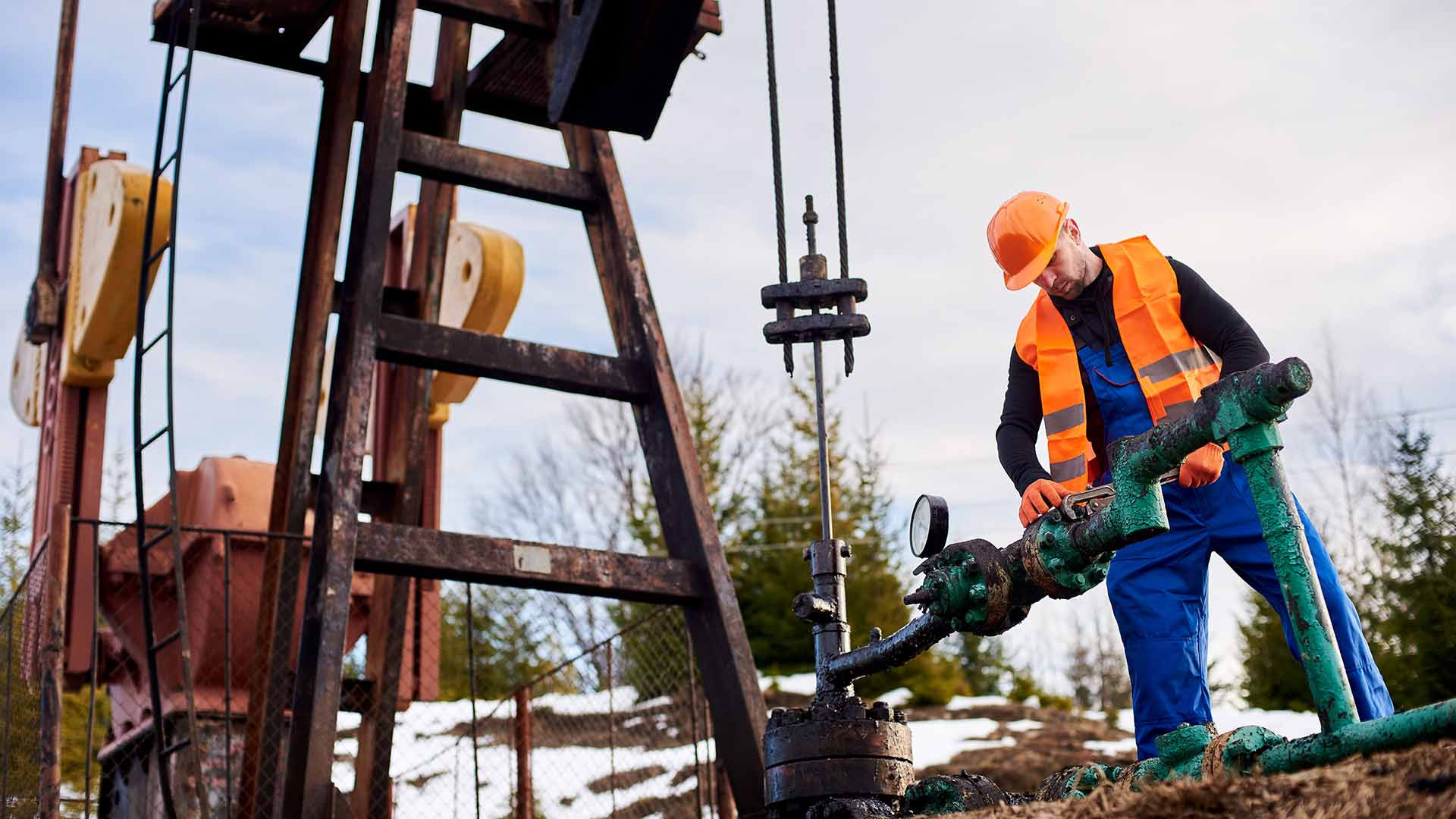
Repurposing old oil and gas wells for geothermal power could significantly reduce environmental harm and unlock cleaner energy from existing infrastructure, but new research shows the approach will need targeted support to become economically viable.
A new study led by researchers at The University of òòò½ÎÑÊÓƵ has carried out the first full environmental life‑cycle cost analysis of using abandoned onshore oil and gas wells to generate geothermal electricity.
Published in Applied Thermal Engineering, the research assesses not only the financial costs of repurposing old wells, but also the often overlooked environmental and human health impacts, such as air pollution and climate damage.
The findings show that while repurposed geothermal systems currently produce electricity at a higher cost than conventional geothermal power, they deliver substantially lower environmental and health costs, particularly by avoiding new drilling and reducing pollution linked to fossil fuel infrastructure.
Turning legacy fossil assets into clean energy
Across Europe and globally, hundreds of thousands of oil and gas wells are approaching the end of their productive life. Safely sealing and monitoring these wells is costly, and poorly managed sites can pose long‑term environmental risks.
The òòò½ÎÑÊÓƵ team explored whether these existing wells could instead be given a second life as geothermal energy sources, using underground heat to generate electricity.
“Existing oil and gas wells already reach deep underground areas where heat from the Earth can potentially be used for geothermal energyâ€� said , Research Associate at The University of òòò½ÎÑÊÓƵ. “Our research asks whether we can turn this legacy infrastructure into part of the climate solution, rather than treating it solely as a liability.â€�
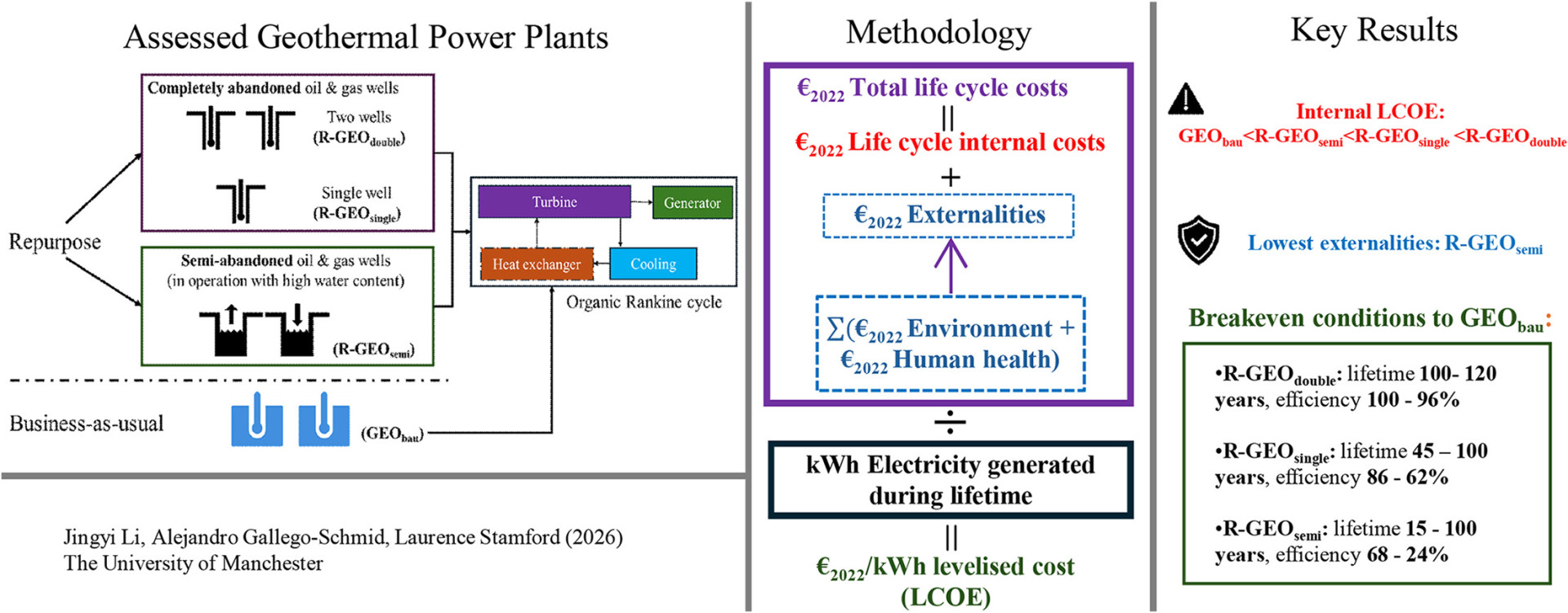
The study analysed three repurposing approaches:
- using two fully abandoned wells
- converting a single abandoned well
- turning late-life wells that increasingly produce water rather than oil and gas
These were compared with a conventional, purpose‑drilled geothermal power plant.
Cleaner, but not yet cheaper
The analysis found that repurposed well systems can have dramatically lower environmental impacts, particularly for air pollutants that affect human health. In some cases, environmental damage costs were reduced by more than 80% compared with a standard geothermal plant.
However, because the assessed repurposed systems are typically small and generate relatively little electricity, their cost per unit of power remains high. Electricity generated from repurposed wells currently costs more than from large‑scale geothermal, wind, solar or nuclear power.
, Senior Lecturer in Sustainable Chemical Engineering at The University of òòò½ÎÑÊÓƵ said “The challenge is not that repurposed geothermal is dirty or inefficient – it’s that it’s operating at pilot scale. When costs are spread over very small electricity output, the price per kilowatt‑hour inevitably looks high.â€�
Why environmental costs matter
A key innovation of the study is that it places environmental damage and human health impacts into monetary terms, allowing these costs to be compared directly with financial ones.
When these external costs are included, repurposed geothermal systems perform particularly well compared to fossil fuels. The study shows that coal and gas power impose environmental costs over 100 times higher than repurposed geothermal options.
This research highlights a gap in how energy decisions are made. If we only look at electricity prices and ignore pollution and health impacts, we systematically disadvantage cleaner technologies.
What needs to change
The study stresses that repurposing oil and gas wells is not a silver bullet, but could play an important role in a diversified, low‑carbon energy system, especially if supported by the right policies.
Key recommendations include:
- Targeted incentives for early‑stage geothermal projects using existing wells
- Scaling up projects by clustering multiple wells together
- Clear rules on long‑term responsibility and well integrity
- Better integration of environmental and health costs into energy policy decisions
Crucially, the research suggests repurposing could help regions historically dependent on fossil fuels transition skills and infrastructure into clean energy, supporting a fairer, more inclusive energy transition.
This research was published in: Applied Thermal Engineering (2026)
Full title of the paper: Full environmental life‑cycle costing analysis of repurposing onshore abandoned oil and gas wells for geothermal power generation
DOI: 10.1016/j.applthermaleng.2026.130469
URL: https://doi.org/10.1016/j.applthermaleng.2026.130469