òòò½ÎÑÊÓƵ–Tokyo team uncovers rare nickel enzyme with potential to transform sustainable drug manufacturing
Researchers from the òòò½ÎÑÊÓƵ Institute of Biotechnology (MIB) have helped reveal, for the first time, the detailed molecular mechanism by which nature constructs a rare and pharmaceutically important chemical group, the sulfonamide.
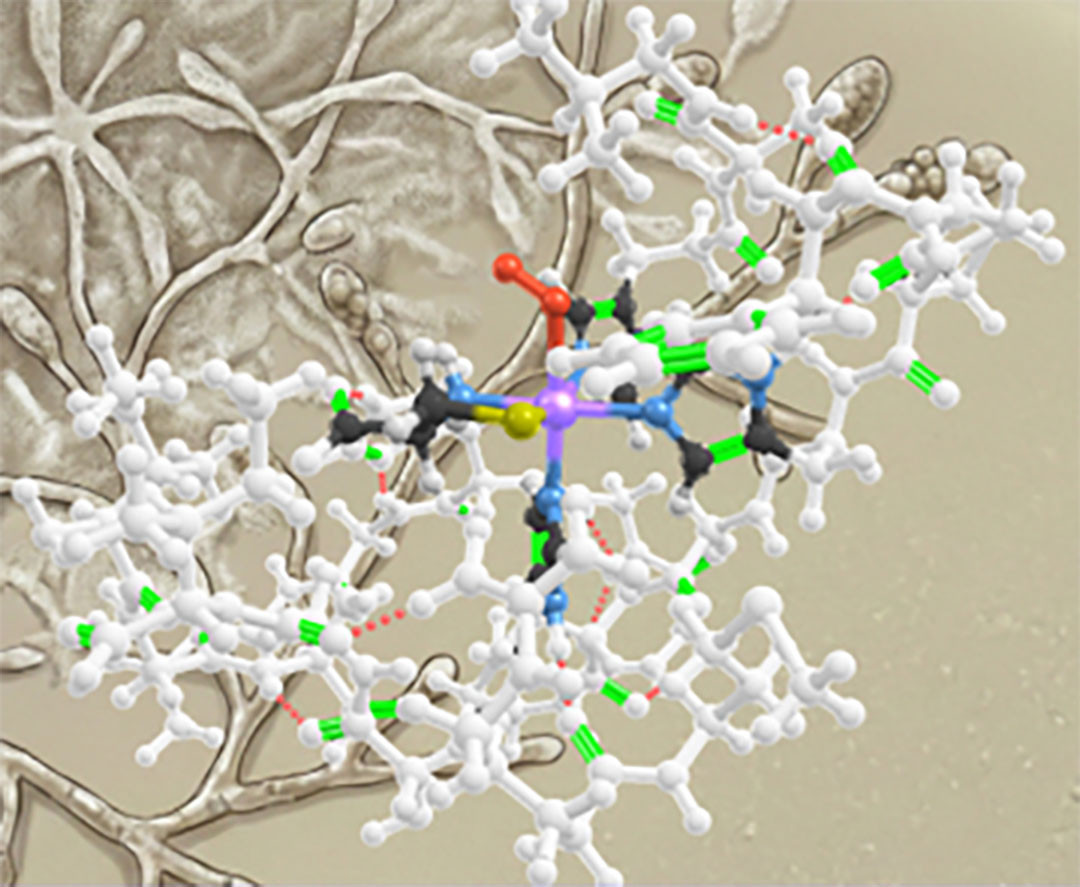
This research was published in Nature Catalysis.
Structure–function and mechanistic analyses of nickel-dependent sulfonamide synthase
- DOI: https://doi.org/10.1038/s41929-026-01493-z
- URL: https://www.nature.com/articles/s41929-026-01493-z
The discovery, published in , sheds light on how a newly characterised nickel‑dependent enzyme drives an unusual biosynthetic reaction, opening fresh possibilities for greener and more selective drug manufacturing.
Sulfonamides are a cornerstone of modern medicinal chemistry, forming part of many antibacterial, anticancer and antiviral medicines. Yet despite their widespread use, producing sulfonamides synthetically can be difficult, often requiring harsh reagents and generating environmentally damaging by‑products. Natural examples of sulfonamide‑containing molecules are extremely rare, and until now very little was known about how biological systems make them.

This study uncovers an entirely new type of enzymatic chemistry. By showing how nickel enables a radically different reaction pathway from iron‑dependent enzymes, we gain fundamental insight into how nature controls selectivity and reactivity and that knowledge is incredibly powerful for biotechnological innovation.
International collaboration cracks the code
The international research team – including computational chemist Dr and PhD student from the MIB – has uncovered how the enzyme SbzM enables bacteria to form sulfonamides as part of the biosynthesis of the natural product altemicidin. Their work shows that SbzM uses nickel, rather than the more common iron cofactor found in related enzymes, to convert the amino acid L‑cysteine into a reactive sulfonamide intermediate.
Using a combination of structural biology, biochemical assays and advanced quantum‑mechanical computational modelling, the researchers showed that SbzM performs chemistry never before observed in nature. The study reveals:
- SbzM is strictly nickel‑dependent, requiring Ni²� to function and cycling between Ni²� and Ni³� during the reaction.
- Two separate oxygen molecules are incorporated into the final sulfonamide product, a striking contrast to iron‑based cysteine dioxygenases, which use a single oxygen molecule.
- A previously unknown reaction pathway is at work: the enzyme first triggers an oxidative decarboxylation step to form a mercaptoimine intermediate, followed by sequential oxygenation and rearrangement steps that ultimately build the sulfonamide group.
- The enzyme family is far more widespread in bacteria than previously recognised, suggesting nature may harbour many more yet‑undiscovered sulfonamide biosynthetic pathways.

From Tokyo to òòò½ÎÑÊÓƵ, this project has been an extraordinary journey, shaped by fellowships, grants, collaborations, generous mentorships and lasting friendships in Japan. It is a real honour to see this work published in Nature Catalysis. What makes SbzM particularly exciting is that it reveals a strictly nickel-dependent enzyme that utilises two cycles of oxygen activation to achieve rare enzymatic N–S bond formation. These mechanistic insights deepen our understanding of enzyme specificity and open new opportunities for enzyme engineering, biocatalysis, and cleaner routes to valuable sulfonamide building blocks.
Understanding how nature constructs sulfonamide motifs opens a realistic route to engineering enzymes capable of producing drug-like building blocks more sustainably. The òòò½ÎÑÊÓƵ team’s computational modelling was essential in mapping the step‑by‑step reaction mechanism and identifying why nickel, uniquely, drives this transformation, and by revealing the fundamental “instruction manualâ€� behind sulfonamide formation, the study lays essential groundwork for creating scalable, low waste biocatalytic processes for pharmaceutical manufacturing.
The next steps will focus on expanding the range of molecules SbzM can process, enhancing its robustness, and demonstrating industrially relevant biocatalysis.
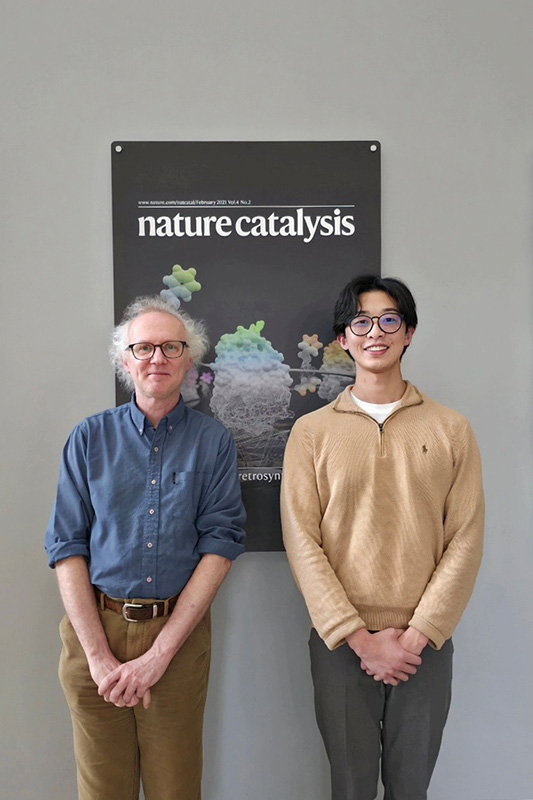
Meet the researchers
Sam de Visser Reader in Computational Chemistry at the òòò½ÎÑÊÓƵ Institute of Biotechnology, investigates inorganic mechanisms in first‑row transition‑metal enzymes using quantum chemistry and molecular dynamics, focusing on heme and nonheme iron enzyme reactivity.
Henrik Wong is a University of òòò½ÎÑÊÓƵ PhD student using molecular dynamics and quantum chemistry to study metal‑dependent enzymes and guide their redesign for sustainable biocatalysis, reaction discovery and improved biosynthetic applications.