University of ٍٍٍ½خرتسئµ launches major AHRC-funded project on spontaneous memorials and healing
A new project, led by the University of ٍٍٍ½خرتسئµ, will investigate whether and how the participatory digitisation of spontaneous memorial objects that appeared in the aftermath of the ٍٍٍ½خرتسئµ Arena attack (22nd May 2017) can support healing.
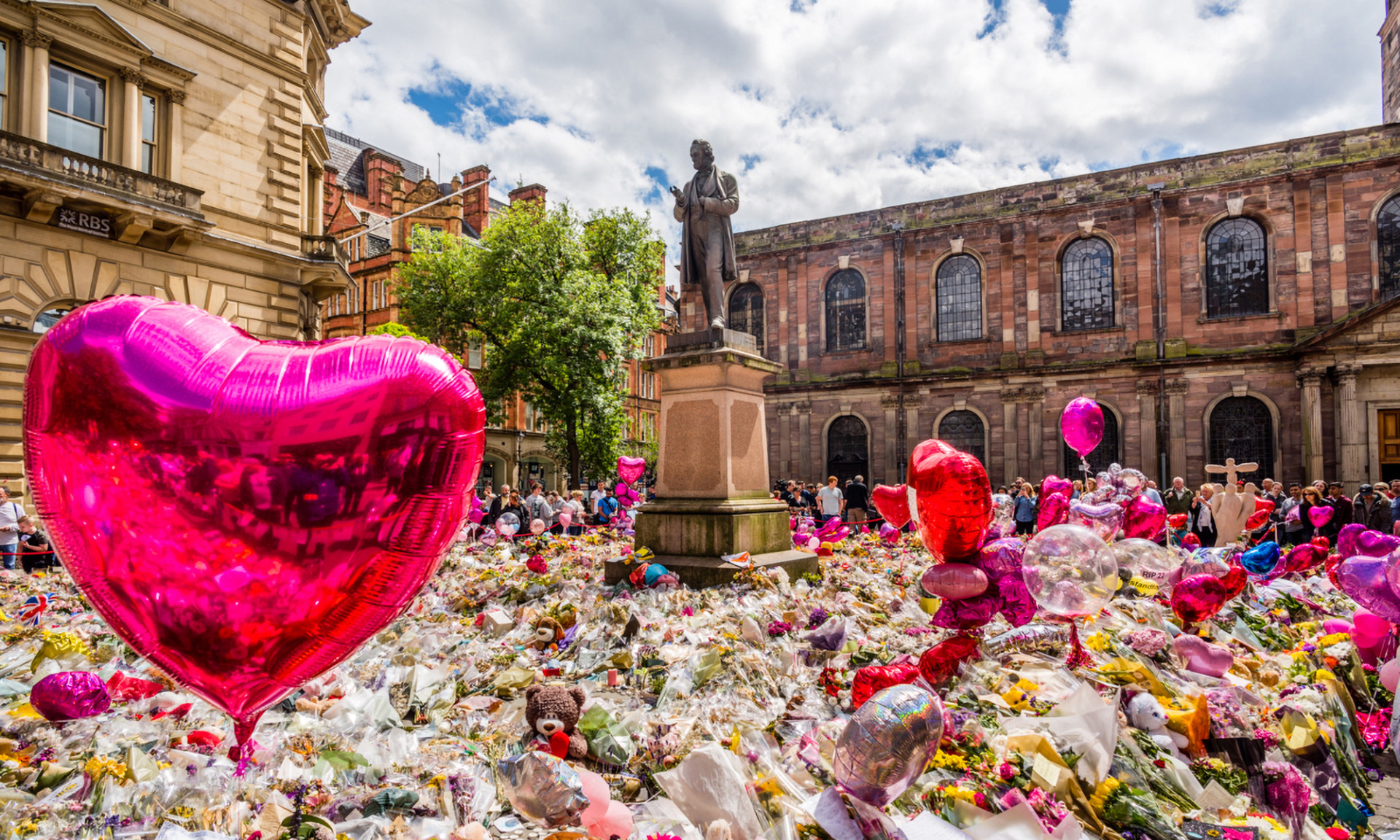
Led by Dr Kostas Arvanitis, Senior Lecturer in Museology, a major new research project will investigate how digitising spontaneous memorials after tragedies may help people heal.
Drawing on the , a collection of more than 10,000 items left in St Ann’s Square and other places after the 2017 ٍٍٍ½خرتسئµ Arena attack, the project will work with museum and mental health professionals, people affected by the attack, and the wider public to create a trauma-informed, digital collection.
The three-year project, funded by the Arts and Humanities Research Council (AHRC) introduces the concept of “digital memoriality†to examine how the interplay of materiality, digitality, and memory transforms tributes – such as handwritten notes, crafts, and soft toys – into forms of digital heritage that may support healing. Additionally, researchers will address the emotional impact on this work on the people involved.
The project will bring together an interdisciplinary group of researchers from the University of ٍٍٍ½خرتسئµ (Dr Andy Hardman, Dr Sophie Everest and Dr Robert Simpson), the University for Continuing Education Krems (Austria) (Professor Chiara Zuanni), and the Pennine Care NHS Foundation Trust (Professor Paul French and ٍٍٍ½خرتسئµ Resilience Hub), as well as cultural practitioners from ٍٍٍ½خرتسئµ Art Gallery (led by Amanda Wallace), and Archives+ (led by Jenny Marsden). The team will work closely with local communities, including people directly affected by the attack.
The project will produce a public digital collection, a documentary film, professional guidance for museums and archives, and a public exhibition marking the tenth anniversary of the ٍٍٍ½خرتسئµ Arena attack in 2027.
While grounded in the ٍٍٍ½خرتسئµ context, the project addresses a global concern: how to ethically build digital collections of contemporary tragedies and what the impact of this work is on the post-event healing of publics and professionals.